
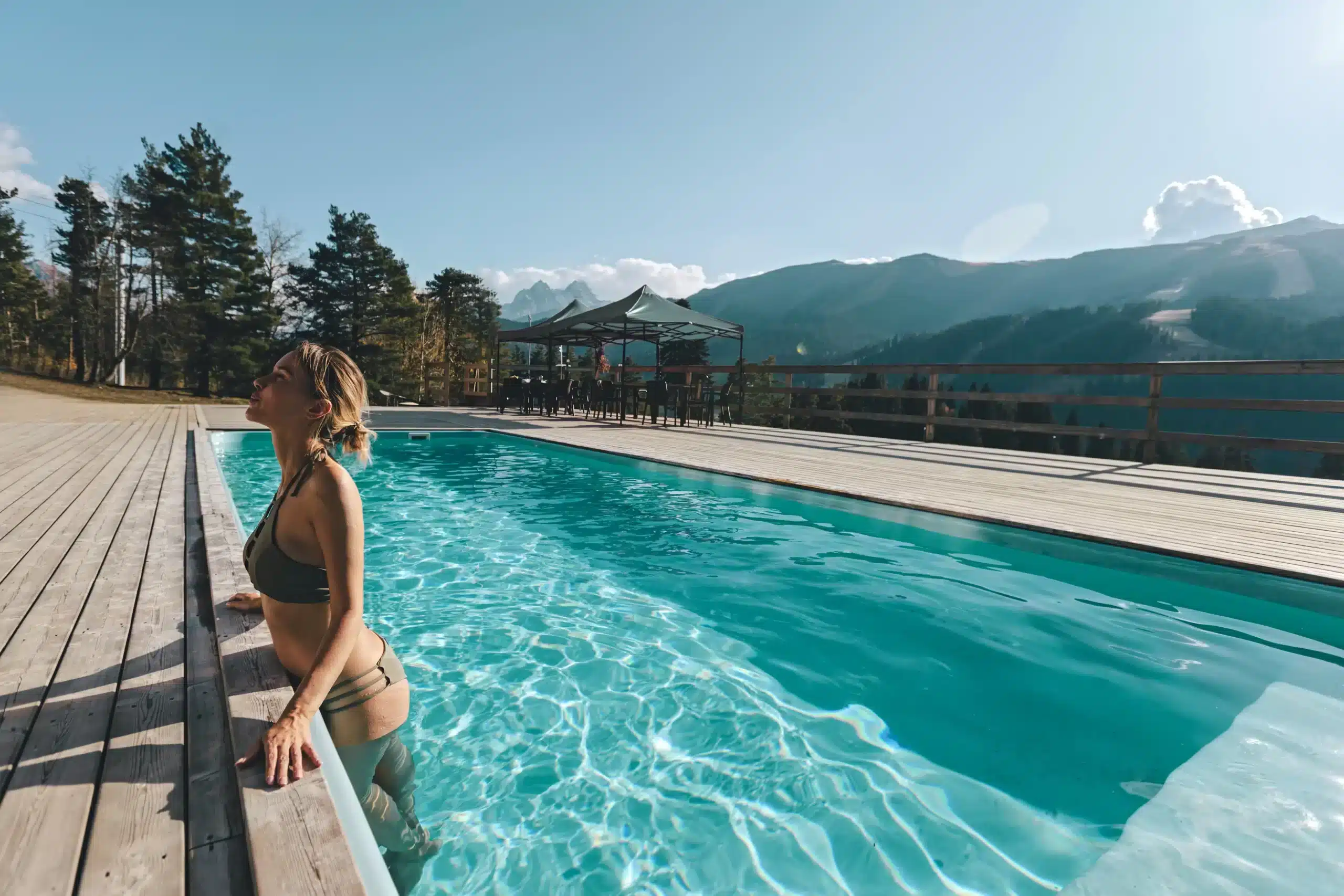

Most pool owners in Perth get five months of comfortable swimming from their pool each year. November through March. The rest of the time the water sits below 24 degrees and the pool goes unused. That is more than half the year where your swimming pool delivers nothing. The benefits of heating your pool go well beyond warm water. Heated pools provide an extended swimming season, health and fitness benefits, an outdoor pool that becomes a backyard oasis for family fun and measurable gains in property value. This guide covers why pool heating is worth it, how each system works in Perth’s local climate and what you can expect in running costs and returns. For installation, repairs and advice, see our pool heating page.
5 Benefits Of Pool Heating For Perth Homeowners
From extended swim seasons to enhanced property value, heating your pool changes how you live with it.
Swim Longer Extend The Season Year Round
Without heating, temperature drops make the pool uncomfortable by late April. With the right pool heating system, you can swim from September through May or even year round with a heat pump or hybrid solar setup. Perth receives around 3,200 hours of sunshine annually, which makes solar pool heating remarkably effective here. We installed a Davey heat pump for a family in Currambine who had only been using their pool five months a year. By the following winter they were swimming three mornings a week through July, something they had not done once in the six years they had owned the house. That extended swimming season changed the pool from a summer novelty into something the whole household used pool regularly.
Health And Wellness Advantages
Warm water promotes blood flow, relieves joint pain and helps with muscle recovery. Regular swimming in a heated pool can improve cardiovascular health and cardiovascular fitness in ways that cold water temperatures simply discourage. Many pool owners tell us they started an exercise routine only after heating their pool because the warm pool made early morning laps bearable rather than punishing. The therapeutic benefits extend to stress relief and improved sleep quality. Hydrotherapy in warm water is recommended by physiotherapists for rehabilitation and general wellbeing, and a heated pool at home means you can access those benefits daily rather than driving to a public facility.
Better Family Enjoyment And Lifestyle
A heated pool becomes the centre of your outdoor living. Weekend barbecues, evening swims after work, kids in the water on school holidays. Many pool owners find that heating transforms the pool area into the part of the house everyone gravitates toward. Instead of driving to the beach, the family stays home and uses what they already have. It is about spend quality time together in an inviting space rather than just swimming.
Increase Property Value And Buyer Appeal
In Western Australia, a heated pool signals a well maintained, liveable home. Real estate data shows that enhanced property value follows when buyers see year round swimming as part of the package. Enhanced property comes from the perception that the pool is a feature rather than a liability. Buyers in suburbs like Currambine actively look for homes with modern heating systems because they know the pool is usable most of the year.
Maximise Your Investment
Building a pool costs tens of thousands of dollars. Leaving it unused seven months wastes that investment. Heating increases usable days from roughly 150 to over 300. The cost per swim drops, the lifestyle return climbs. Over the life of a heating system, the value recovered from increased pool use outweighs the installation and running costs.
How Pool Heating Works And Which Type Suits Perth’s Climate
Choosing the right heating system depends on your pool size, how often you swim and your budget. Perth’s warm sunny climate gives every system an advantage compared to warmer climates further south.
Solar Pool Heating
Solar pool heating uses roof mounted collectors to absorb sunlight and transfer heat into the pool water. Install solar panels on a north facing roof with minimal shading and the system extends your swimming season by four to six months with running costs close to zero. Solar heaters rely on the sun, so output drops on overcast days and at night. A pool cover helps retain heat overnight. Solar heating suits those who want low running costs and minimal environmental impact through renewable energy. The pool pump circulates water through the collectors, so the only electricity cost is running the pump itself.
Electric Heat Pumps
Heat pumps work by extracting warmth from the surrounding air temperature and transferring it into the pool water via an evaporator coil and liquid refrigerant cycle. The refrigerant absorbs heat from the air, compresses it into a hot gas, then passes through a condenser where it releases that heat into the pool water before returning to liquid form to repeat the cycle. Standard heat pumps deliver three to six units of heat for every unit of electricity, making them the most energy efficient option for year round use. In Perth where winter air temperature rarely drops below 8 degrees, a heat pump runs effectively all year. Inverter models from Madimack adjust output to match demand, which reduces energy consumption and keeps electricity prices from climbing. A heat pump suits families who want a consistent temperature every day without worrying about weather or sunlight.
Gas Pool Heaters
A gas pool heater burns natural gas or LPG to generate heat quickly. Gas heaters raise water temperature faster than any other system, which makes them ideal for spas, plunge pools or pool owners who swim occasionally and want heat on demand. The trade off is higher running costs. A gas heater running daily through cooler months can cost $800 to $1,500 per year. Gas pool heater systems suit short heating sessions rather than constant operation.
Choosing The Right System
For most Perth homes the decision comes down to how you use the pool. Swim daily and want year round comfort, choose a heat pump. Want low cost seasonal heating, install solar. Swim occasionally or run a spa, go with gas. Combining solar with a heat pump creates a hybrid that covers every scenario and keeps operating costs as low as possible. We can assess your pool and recommend the right pool heating system based on your pool size, power supply and how you actually use the water.
The Real Cost Vs Benefit Of Pool Heating
Each system balances upfront cost against running costs and long term energy savings.
Average Running Costs In Perth
Solar pool heating runs between $1 and $3 per day. Electric heat pumps cost $2 to $6 per day depending on pool size and desired temperature. Gas heaters range from $5 to $10 per day. These figures vary depending on how well the pool retains heat, whether you use a cover and local electricity prices.
Energy Efficiency And Payback Period
Solar systems have virtually no running cost after installation. Heat pumps operate at a coefficient of performance between 4 and 6, producing four to six times more heat than the electricity they consume. Gas heaters convert around 85 to 95 percent of fuel into heat but cost more to run. Most Perth homeowners recover installation cost within two to four years through energy savings, especially when combining a heating system with a pool cover to reduce heat loss.
Long Term Value And ROI
Extending the usable season to eight or ten months drops the cost per swim by 40 to 60 percent. Energy efficient systems like solar and inverter heat pumps maintain strong resale value. A pool with a modern heating system sells the lifestyle of year round swimming.
Perth Climate Advantage Why Pool Heating Performs Exceptionally Well Here
Perth’s Mediterranean climate delivers long summers, mild winters and some of the highest sunshine hours in the country. Winter days still reach 17 to 20 degrees and overnight lows rarely fall below 10. That means solar collectors and heat pumps operate near peak efficiency for most of the year. The Fremantle Doctor adds afternoon wind that accelerates heat loss, but a pool cover solves that. Compared to Melbourne or Adelaide, Perth pool owners save energy because the local climate does half the work.
Choosing The Right Pool Heater For Your Home
Daily swimmers benefit most from a heat pump set to maintain a consistent temperature. Seasonal swimmers save more with solar. Occasional users or spa owners get the best value from gas on demand. Match the system to your pool size, available roof space and budget. We can visit your property and recommend pool heating options based on what we know works across hundreds of Perth installations.
Get Expert Pool Heating Advice And Installation In Perth
We install, service and maintain every type of pool heating system across Perth. Professional installation ensures the system runs at peak energy efficiency from day one and avoids the problems we see on DIY setups where undersized panels or incorrectly plumbed heat pumps underperform.
Real Results Local Case Study
We fitted a solar and Madimack inverter heat pump hybrid for a family in Currambine who had relied on an ageing gas pool heater. Their old system cost over $1,200 a year and only heated the pool from October to April. After the upgrade their swimming season stretched to September through May and heating costs dropped to under $500 per year. That shift from five months to nine is typical of hybrid installations across Perth’s northern suburbs.
Common Questions About Pool Heating
Is Pool Heating Worth It In Perth
Yes. Perth’s sunshine and mild winters mean heating systems run efficiently with low running costs, more swim days and improved property value.
What Is The Best Type Of Pool Heater For Perth Homes
For most homes a heat pump or solar system provides the best balance of cost, efficiency and year round performance. Gas suits occasional use or spas where rapid heating is the priority.
How Much Does Pool Heating Cost To Run
Between $1 and $10 per day depending on the system. Solar is cheapest at $1 to $3 per day. Heat pumps cost $2 to $6. Gas heaters sit at $5 to $10. Costs vary with pool size and how well the pool retains heat.
How Long Do Pool Heaters Last
Heat pumps last 10 to 20 years. Solar systems last 15 or more with minimal maintenance. Gas heaters typically last 5 to 10 years. Annual servicing extends the life of any system.
Do You Need A Pool Cover With A Heater
A pool cover is essential regardless of heater type. It reduces heat loss by up to 70 percent overnight, cuts water evaporation and lowers energy consumption. It is the single most cost effective addition to any pool heating setup.
Conclusion
The benefits of heating your pool extend beyond cooler weather comfort. A heated pool delivers an extended swimming season, real health and fitness benefits, more family fun, enhanced property value and a genuine return on your investment. Heat your pool with the right heating system and it becomes the part of your home you use most rather than the part you ignore for half the year. For advice on which system suits your home, or to book professional installation, get in touch with our team. We install and service solar heaters, heat pumps and gas heaters across Perth and can have your pool warm and ready for the season.


Social Media