

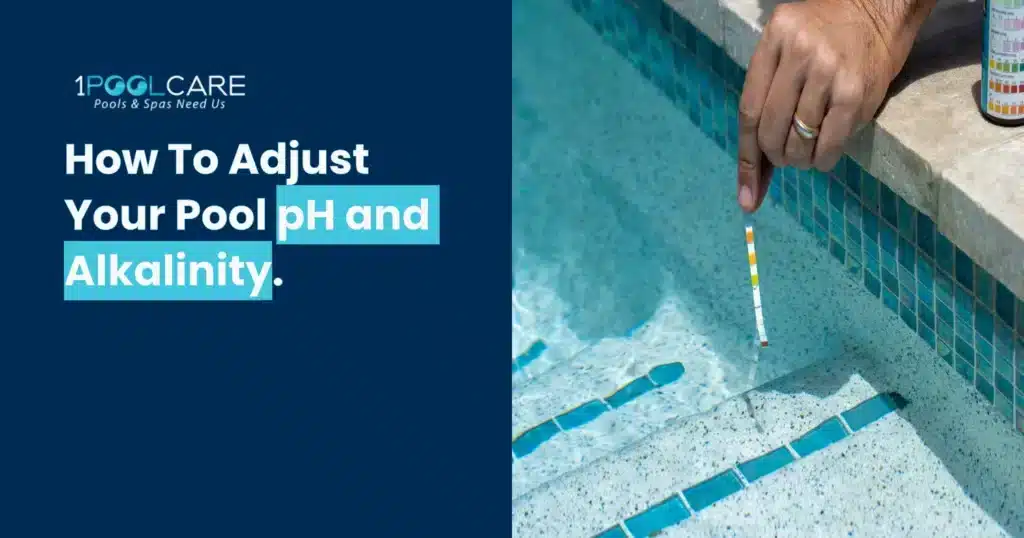
Maintaining proper pH and alkalinity and PH levels in your swimming pool is essential for safe, clean, and enjoyable swimming. Without the correct balance, your pool water can become irritating, ineffective at sanitising, and even damaging to pool surfaces and equipment.
In this guide, we will explain how to raise pH in pool water, adjust total alkalinity, and maintain stable pool chemistry all year round.
Understanding Pool pH and Why It Matters
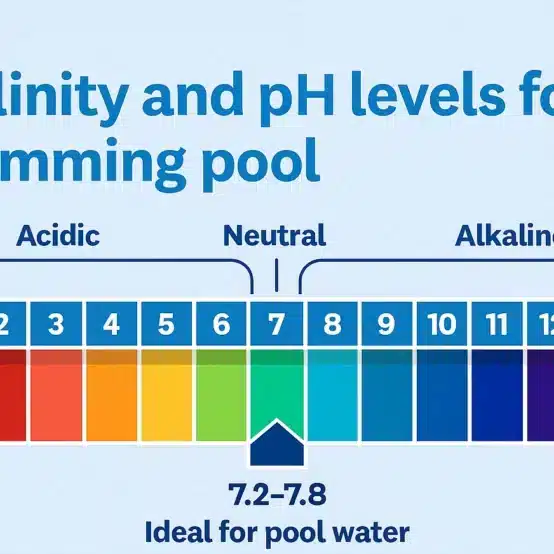
The pH scale measures how acidic or basic your pool water is, ranging from 0 to 14. For swimming pools, maintaining ph the ideal range is between 7.4 and 7.8. This range is close to the natural pH of human eyes and mucous membranes, making it safe and comfortable for swimmers.
If the pH levels drop below 7.4, the water becomes more acidic. This can lead to itchy skin, burning eyes, and reduced effectiveness of chlorine tablets, meaning your pool may not stay sanitised. On the other hand, if the pH goes above 7.8 or high alkalinity, you might see cloudy pool water, scaling on your pool surface, and calcium deposits on tiles and equipment.
Proper pool equipment PH control ensures that your water remains crystal clear, comfortable, and safe to use.
What Is Total Alkalinity?
Total alkalinity refers to the concentration of alkaline substances present in your pool water, measured in parts per million (ppm). These substances help stabilise your pH levels by acting as a buffer, preventing sudden PH bounce or fluctuations.
The recommended range for alkalinity levels is between 80 and 120 ppm. Maintaining this range ensures that your pH remains stable and predictable. If pool levels alkalinity drops too low, you may experience rapid pH fluctuations, making it harder to maintain consistent pool chemistry. If alkalinity is too high, it becomes difficult to adjust the pH, and the pool may develop cloudy water or scaling.
Signs Your Pool’s pH or Alkalinity Is Imbalanced
Not sure whether your pool’s PH levels need to adjust PH and alkalinity are off? Here are common signs of imbalance:
- Burning eyes or itchy skin after swimming
- Cloudy pool water
- Calcium scaling on tiles or equipment
- pH or alkalinity readings outside their proper range
- Water that looks clear but tests poorly for chlorine or pH
If you notice these symptoms, it is time to take action to restore your pool’s PH balance.
How To Raise pH and Alkalinity in Your Pool
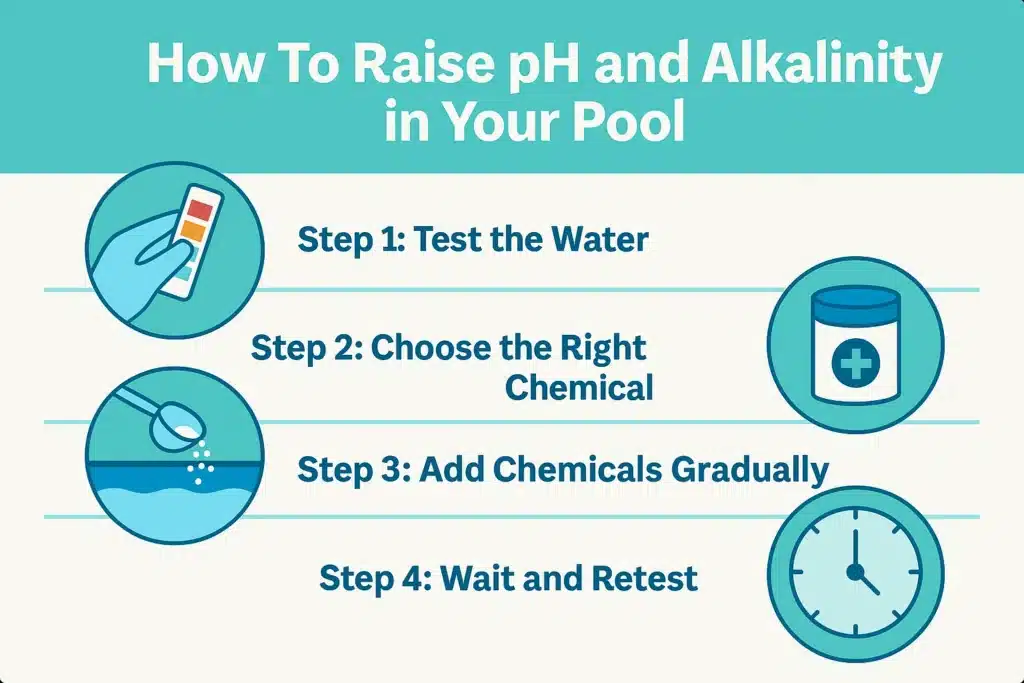
If your test results show low pH and/or low alkalinity, use a PH reducer and follow these steps to correct them.
Step 1: Test the Water
Use a digital water testing kit or test strips to measure current PH and total alkalinity. Make sure to take samples from elbow depth and away from return jets for accurate readings.
Step 2: Choose the Right Chemical
To raise alkalinity, consider adding sodium bicarbonate the most effective chemical is sodium bicarbonate, also known as baking soda. This increases pool water alkalinity with minimal impact on PH.
To raise pH more quickly, you can use soda ash (sodium carbonate), which will raise both the PH levels and total alkalinity.
Step 3: Add Chemicals Gradually
Distribute the product evenly across the pool’s circulation system with the filter running. Avoid pouring it in one spot to prevent cloudy areas.
For raising alkalinity only:
- Add baking soda at a rate of 180 grams per 10,000 litres to raise total alkalinity by 10 ppm.
For raising pH:
- Add soda ash at a rate of 150 grams per 10,000 litres to raise pH by 0.2 units.
Step 4: Wait and Retest
Allow water to circulate for 6 to 8 hours, then test again to ensure levels are within the normal range . You may need to repeat the process over several days to return to the ideal range.
How To Lower pH and Alkalinity in Your Pool
If your pool’s PH levels or alkalinity are too high, you’ll need to add an acid to bring them down.
Step 1: Use Sodium Bisulfate or Hydrochloric Acid
- Sodium bisulfate (dry acid) is safer to handle and easier to dose.
- Hydrochloric acid (muriatic acid) is stronger but requires extra safety measures.
Add small doses gradually while the filter is running. Always follow manufacturer instructions and wear protective gear when handling pool chemicals.
Step 2: Test After 4 to 6 Hours
Measure both pH and alkalinity levels to ensure that the correction is working. Overcorrection can result in low alkalinity or unstable ph measures.
How Often Should You Test Pool pH and Alkalinity?
For optimal pool maintenance, test your PH and alkalinity:
- Twice per week during peak swimming season
- Weekly during off-peak or cooler months
- After heavy rain, pool parties, or chemical treatments
Use a high-quality test kit that measures both pH and pool shock total alkalinity to get accurate pool chemical measurements. Keeping a log helps you track changes over time and avoid chemical imbalances.
Preventing Fluctuations in pH and Alkalinity
Even if your pool chemistry is perfect today, in the pool industry t can drift quickly due to external factors. Here are ways to maintain long-term stability:
- Keep your filtration system clean and running efficiently
- Maintain proper chlorine and cyanuric acid levels
- Avoid adding unnecessary chemicals
- Shock the pool regularly to prevent PH fluctuations
- Cover your pool when not in use to reduce contamination from debris
Regular monitoring and minor adjustments help you avoid costly problems like cloudy water, algae growth, or equipment damage.
Common Mistakes to Avoid
- Adding chemicals without first measuring levels
- Dumping all products in one area instead of distributing evenly
- Using the wrong ph increaser or alkalinity increaser
- Assuming clean-looking water is balanced water
- Skipping weekly testing during cooler months
Avoid these errors to keep your pool water chemistry under control.
Final Thoughts
Understanding how to raise PH level in swimming pool water and maintain proper alkalinity in pools is essential to ensure a safe swimming environment. Remember:
- Keep ph levels between 7.4 and 7.8
- Maintain total alkalinity between 80 and 120 ppm
- Use baking soda to raise alkalinity and soda ash to raise pH
- Use sodium bisulfate or muriatic acid to lower both
- Test frequently, adjust slowly, and monitor outcomes
By staying on top of your pool’s chemical balance, you protect your pool liner, pool equipment, and most importantly, your swimmers.
If managing it all feels overwhelming, the team at 1 Pool Care can help. Our experts are trained in professional water testing, alkalinity adjustments, and all aspects of pool chemistry. Reach out today for support you can trust.

With over 20 years of industry experience, Adrian Mole is the founder of 1 Pool Care, a leading mobile pool service in Perth. Known for his expert knowledge and reliable service, Adrian delivers professional pool cleaning, equipment repairs, and water balancing across the metro area. Backed by SPASA accreditation, he’s committed to quality, convenience, and customer satisfaction.





Social Media