
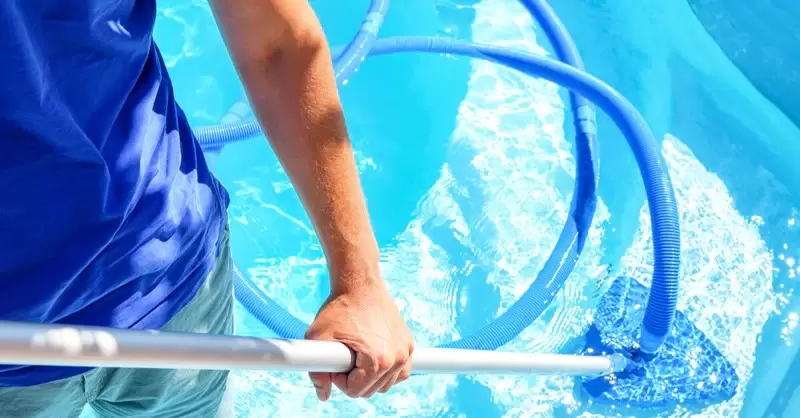
A pool cleaner that is well maintained does a better job and lasts years longer than one that gets dropped in and forgotten. We see the difference every week on service calls across Perth. Pool owners who follow a simple pool cleaner maintenance tips routine get consistent performance and avoid costly repairs. Those who skip it end up replacing hose sections, tracks, brushes and motors far sooner than necessary. This ultimate guide covers everything you need to keep your cleaner in top condition, deliver crystal clear pool water and keep your swimming pool stays clean year round. The key to good pool maintenance is consistency.
The Essentials Of Automatic Pool Cleaner Upkeep
Proper maintenance starts with three habits: cleaning the unit after every use, inspecting parts monthly, and storing it correctly between uses. These steps apply whether you run a robotic pool cleaner, a suction cleaner or a pressure unit. The goal is to keep debris from building up inside the cleaner, keep moving parts free and functional, and protect materials from Perth’s UV and bore water conditions.
Cleaning Your Automatic Pool Cleaner
After every cleaning cycle, remove the cleaner from the pool and rinse it with fresh water. On a dolphin robotic pool cleaner, pull the filter basket and rinse it under a tap to clear dirt, sand and fine particles. On a suction cleaner, check the skimmer basket and pump basket because all debris passes through the filtration system. Wipe down the body of the unit to remove chemical residue and salt. If your pool uses bore water, calcium deposits build up on surfaces and joints faster than on mains water. A quick vinegar soak on removable parts every few months keeps calcium levels from seizing moving components.
Inspecting And Replacing Worn Parts
Check brushes, tracks, wheels, hose sections and seals monthly. Worn brushes reduce scrubbing power on pool walls and the pool floor. Worn tracks cause the robotic cleaner to slip and miss sections. On suction cleaners, inspect the diaphragm or disc for cracks and the hose for splits or air leaks. Replacing a $30 diaphragm is far cheaper than letting the unit run improperly until the motor overheats. We replaced worn tracks on a Dolphin S100 in Victoria Park that had been slipping on walls for months. The owner thought the robot was faulty, but new tracks for under $60 restored full wall climbing.
Proper Storage Practices
Store the cleaner out of direct sun in a shaded, dry area. Perth UV degrades rubber and plastic fast. The power supply on a robotic pool cleaner should be stored indoors or under cover. Coil the hose or cable loosely rather than wrapping it tight, which causes permanent kinks that affect water flow and movement. If you are storing the cleaner for winter, rinse it thoroughly, dry it and keep it off concrete floors where moisture can sit underneath.
Optimising Your Pool’s Filtration System
Your cleaner only works as well as the filtration system supporting it. A clogged filter, a full pump basket or a worn impeller all affect performance and can lead to green water and algae growth even when the cleaner runs daily.
Regular Filter Maintenance
On a sand filter, backwash when pressure rises 8 to 10 psi above the normal reading. On a cartridge filter, hose the element top to bottom and soak it in filter cleaner every few months. On a DE filter, recharge with fresh powder after each backwash. Keeping the pool filter clean ensures strong water flow through the system, which is essential for suction cleaners that rely on the pump for power. Even a robotic pool cleaner benefits from a clean main filter because cleaner pool water means less large debris settling on the floor between cycles.
Keeping The Pump Basket Clear
Empty the pump basket weekly and after every heavy storm or leaf fall event. A full basket restricts flow to the pump and can cause it to overheat or lose prime. On suction cleaner setups, a blocked basket stops the cleaner from moving entirely. Keep an eye on the skimmer basket as well because it is the first line of defence for removing debris before it reaches the pump.
Balancing Water Chemistry For Cleaner Efficiency
Water chemistry affects your cleaner more than most pool owners realise. Unbalanced pool water accelerates wear on seals, hoses, brushes and internal components.
Testing And Adjusting Chemical Levels
Use a reliable test kit to check chlorine levels, ph levels, total alkalinity and calcium hardness levels regularly. Keep the pool’s ph between 7.2 and 7.6 and chlorine levels stable between 2 and 4 ppm. Proper chemical balancing prevents corrosion in low ph conditions and scaling in high calcium conditions. Pool chemicals that sit out of range do not just affect water clarity, they attack the materials your cleaner is made from. We have seen hoses on suction cleaners go brittle within a season on pools where ph sat above 8.0 for months.
The Impact Of Water Balance On Equipment
When water chemistry drifts, pool equipment suffers. Low ph eats rubber seals and corrodes metal fittings. High calcium hardness levels coat moving parts and restrict water flow. Pool chemistry that stays in balance protects your cleaner, your pool pump, your filter and every other piece of pool equipment in the system. Regular maintenance of water balance saves time and money on repairs across the board.
Manual Intervention For Spotless Pool Surfaces
Even the best automatic cleaner misses spots. Steps, bench seats, behind ladders and tight corners often need a manual pass.
Brushing Walls And Steps
Brush pool walls and steps weekly to prevent biofilm from building up. Biofilm is a breeding ground for algae growth and harmful bacteria. Your cleaner handles the floor and open wall areas, but a stiff brush on a pole reaches the spots where algae starts. This keeps the pool clean between services and supports the cleaner by reducing the load it has to handle each cycle.
Vacuuming And Skimming
A quick skim with a net after storms or windy days removes floating debris before it sinks and settles. Vacuuming to waste after heavy debris events clears the bulk without overloading the filter. These manual steps take minimal effort and keep your pool remains clear so the automatic cleaner handles routine maintenance rather than emergency cleanup.
Energy Efficient Care For Your Pool Cleaner
Running your cleaner efficiently reduces energy costs and extends the life of the unit.
Efficient Scheduling Of Cleaning Cycles
Run the cleaner two to three times per week during swimming season rather than every day. On a robotic cleaner, set the weekly timer to run overnight or during off peak electricity hours. Suction cleaners should run during normal pump hours so you do not add extra pump time just for cleaning. A well maintained cleaner with clean filters completes a cycle faster because it does not struggle against restricted flow.
Selecting Energy Efficient Pool Equipment
If you are upgrading, choose a variable speed pool pump that adjusts output to match the load. An energy efficient pump paired with a robotic pool cleaner that draws under 200 watts per cycle keeps running costs low. Your local pool shop can help you size the pump correctly for your pool and cleaner setup.
Maintaining Safety And Hygiene In Your Swimming Pool
Pool care is about more than appearance. Clean water is essential for the health of your family and anyone who swims.
Sanitiser Levels And Harmful Bacteria
Keep chlorine levels stable and test regularly. Chlorine kills harmful bacteria and prevents algae, but only when it sits within the correct range for your cyanuric acid level. A pool that looks clean but has low chlorine can still harbour bacteria that cause ear infections and skin irritation. Test with a quality test kit and adjust as needed. Chemical balancing is as important as physical cleaning for water quality.
Year Round Maintenance Strategies
Adjust your routine by season. In summer, increase cleaning frequency, test pool water twice a week and run the pump longer to maintain pool circulation. In winter, reduce cycles but maintain a baseline so the cleaner stays in working order and the pool does not drift. Spring is the time to inspect all pool equipment, replace worn parts and deep clean the filter before the busy season. A pool that enters summer in good shape with balanced water chemistry and a well maintained cleaner stays water clean through the hottest months with minimal effort.
Final Thoughts
Looking after your pool cleaner is straightforward. Rinse after use, inspect monthly, store properly, and keep water balance in check. These habits keep your pool stays clean and your equipment in top condition for years. If your cleaner is not performing as it should, or you need parts and honest advice on pool care for Perth conditions, get in touch with our team. We service, repair and supply pool cleaners and pool equipment across Perth and can help you save time on maintenance so you spend more time enjoying the water.
fine

With over 20 years of industry experience, Adrian Mole is the founder of 1 Pool Care, a leading mobile pool service in Perth. Known for his expert knowledge and reliable service, Adrian delivers professional pool cleaning, equipment repairs, and water balancing across the metro area. Backed by SPASA accreditation, he’s committed to quality, convenience, and customer satisfaction.


Social Media