

A self cleaning pool sounds like a dream pool project until you find out what the system actually does and what it does not do. We have installed, serviced and repaired in floor cleaning systems across Perth for over two decades, and Adrian’s honest take is that they reduce daily effort but they do not replace proper pool maintenance. This guide covers how a self cleaning pool system works, how it compares to traditional pools with suction cleaners or a robotic cleaner, and whether it is worth the investment for your swimming pool.
How Does A Self Cleaning Pool Work
A self cleaning pool uses in floor nozzles built into the pool floor and sometimes the walls. These pop up heads rise on a timed cycle, push debris toward a main drain or suction point, then retract flush with the surface. A valve module sequences zones so each section of the pool gets swept in turn. The unique water circulation system moves filtered water from the floor up rather than only from wall returns near the surface. That upward flow helps eliminate cold spots and distributes chemically treated water more evenly across the whole pool. The vantage system circulates water through the entire pool rather than leaving dead spots near the floor where algae can take hold. We installed a Compass Vantage system on a new pool build in Nedlands and the owners noticed the water temperature stayed more consistent from top to bottom compared to their old setup with standard returns.
In Floor Cleaning Vs Traditional Pool Cleaners
In floor systems are built into the pool shell during construction. They have no hoses, no cables and no visible equipment sitting on the pool floor. Traditional pool cleaners attach to your plumbing or plug into a power point and move independently. Suction cleaners connect to the skimmer box and rely on the pump for movement. A robotic cleaner runs on its own motor and cartridge filter. The cleaning system operates differently from these automatic cleaners because it is fixed in place and works in timed zones rather than random patterns. In floor nozzles work well for sweeping fine dirt and sand off flat floors, but they struggle with heavy leaves and do not scrub walls. That is why many pool owners pair in floor systems with a robotic cleaner for walls, steps and the waterline.
Do Self Cleaning Pools Eliminate Manual Cleaning
No. A self cleaning system handles floor sweeping and improves circulation, but it does not replace all the manual cleaning your pool needs. You still need to empty the skimmer box and pump baskets, clean the filter media, brush steps and benches, and test water chemistry weekly. We service several self cleaning pool setups across Dalkeith and Nedlands and every one of them still requires a regular maintenance visit. The system reduces the endless task of manual floor cleaning, but it does not make pool ownership hands free.
Are Self Cleaning Pools Safer Or Cleaner For Families
Fewer hoses and cables in the swimming pool means less trip risk for kids and less gear cluttering the pool floor. The circulation system pushes freshly sanitised water from the floor up, which helps maintain consistent sanitiser levels throughout the pool interior. The bacteria killing chemicals in pool water reach every corner rather than concentrating near surface returns, which supports a healthier pool environment when chemistry is kept in range. Smart self cleaning pools create a tidier space between services, but they still need proper chemical dosing and testing to stay safe.
Pros And Cons Of Self Cleaning Pools
The main advantage is reduced daily effort. The floor stays cleaner between services, circulation is stronger and there is no other cleaning equipment tangling in the pool. The main drawback is cost. In floor cleaning systems add thousands to a new pool build, and retrofitting an existing pool shell is rarely practical. Moving parts like pop up heads, seals and the valve module are wear items that need servicing over time. We replaced a full set of pop up heads on a pool in Como after eight years of heavy use on bore water. The calcium buildup had seized the springs. In floor systems suit flat or gently sloped floors best. If your pool has complex benches or a steep deep end, the nozzles may not sweep effectively across both the surface and the floor without extra zones.
Do Self Cleaning Systems Reduce Chemicals And Algae
Better circulation can reduce chemical usage by removing dead spots where chlorine does not reach. The returns freshly sanitised water from the floor up approach means the whole pool gets treated, not just the top half. That can reduce chemical costs slightly and help prevent algae from establishing in low flow areas. However, chemistry still drives water quality. A self cleaning pool with poor chemical balance will turn green just as fast as a standard pool with the same problem.
Are Self Cleaning Pools Compatible With Saltwater Systems
Yes. Self cleaning systems work with salt chlorinators as long as salinity and pump run times meet demand. The system does not interfere with chlorine generation. Keep the salt cell clean, confirm flow rates and increase run time in summer. This applies whether you have a concrete, fibreglass pool or tiled setup.
Can A Self Cleaning Pool Handle Leaves Pollen And Fine Dust
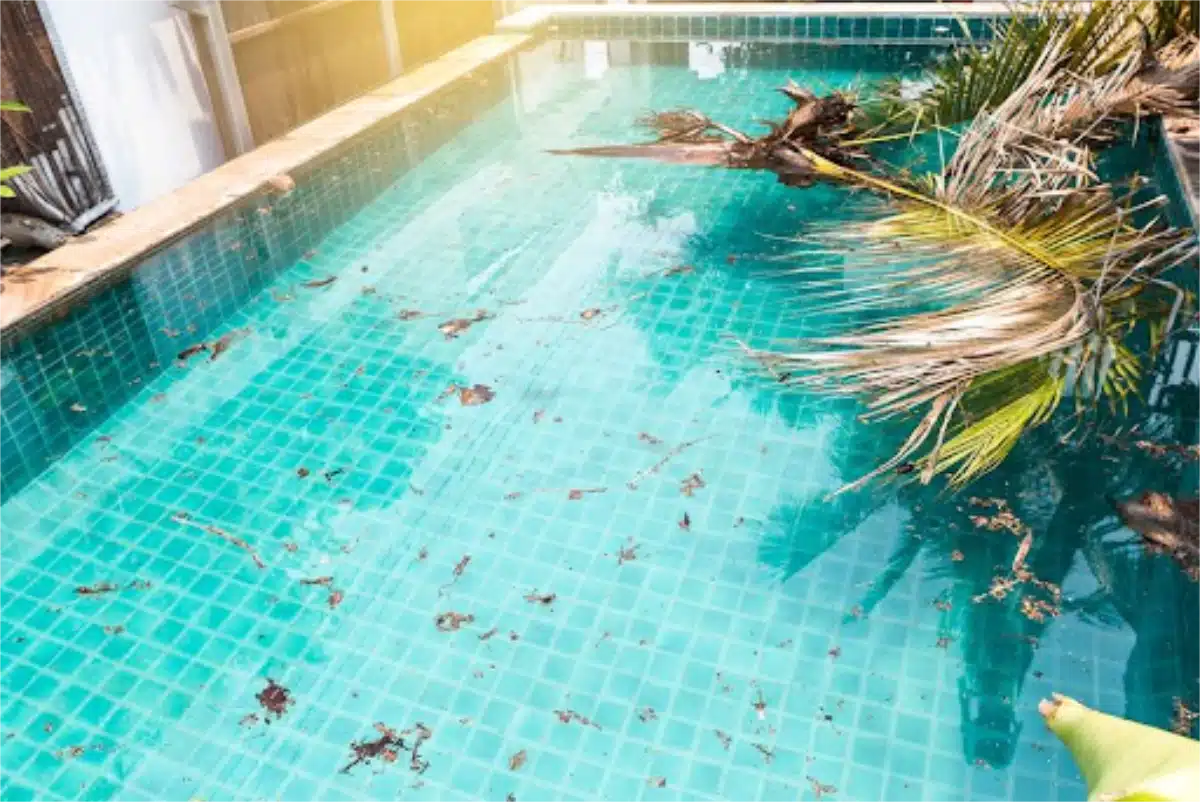
Fine dust and pollen are the strength of in floor systems. The jets push fine particles toward the main drain where the filter traps them. Heavy leaves are a different story. Large gum leaves and fronds can block pop up heads and overwhelm the suction point. If your yard drops serious leaf volume, pair the in floor system with a leaf canister, a pool cleaner with a large basket, or manual netting after storms. A pool we maintain in Subiaco sits under mature plane trees and the owners net daily in autumn to stop the in floor jets from jamming.
Are Self Cleaning Systems Noisy Or Disruptive
Noise is minimal. You hear a soft click when the valve module changes zones and a gentle hum from the jets. Most owners schedule cycles during off peak hours so the system operates when no one is using the pool.
What Pool Shapes And Depths Work Best
Flat and gently sloped floors work best because debris migrates toward the drain naturally. Deep ends need correct head placement and zone sequencing to push material uphill. Traditional pool design with sharp depth changes and multiple benches may need additional nozzles. Compass Pools Australia and other builders who install in floor systems factor this into the design of every new pool project.
Is Self Cleaning The Same As Robots Or Automatic Covers
No. A self cleaning system is a floor sweeping and circulation method built into the pool. Automatic cleaners like robots are mobile units that vacuum and scrub. Automatic covers reduce debris and evaporation. Semi automatic cleaning systems like basic suction cleaners are somewhere in between. Many pool owners combine an in floor system with a robotic cleaner and a cover for the lowest effort across all seasons.
What Maintenance Does A Self Cleaning System Still Require
Clean the filter on schedule so flow stays strong. Inspect pop up heads and seals annually. Check the valve module internals for wear. Keep baskets clear so the jets maintain maximum flow across each zone. A clogged filter weakens head performance because the cleaning jets lose pressure and cannot sweep the floor effectively.
How Long Do Pop Up Heads And Valves Last
In balanced water with proper filtration, heads and seals typically last five to ten years. The valve module may need internal service sooner depending on run time and debris load. Bore water with high calcium shortens the life of moving parts. Budget for periodic replacement the same way you would for any pool equipment.
Common Myths What Is True And What Is Not
The claim that a self cleaning pool means zero maintenance is false. Chemistry, filter care and basket cleaning still matter. The idea that you never need a robot is sometimes true for simple flat pools with light debris, but most Perth setups benefit from a robotic cleaner for walls and waterline. Competitor systems do not all perform the same because head design, valve quality and zone layout vary between brands.
How To Decide If A Self Cleaning Pool Is Right For You
Consider your debris profile, budget and tolerance for ongoing maintenance. If your pool collects mainly dust and fine sand, an in floor system paired with a compact robot gives you superior cleaning with minimal effort. If you fight heavy leaf drop every week, an ordinary pool with a robust robotic cleaner may handle bulk debris more effectively. Self cleaning works best as part of a new pool build where the system is designed into the floor from pool start.
Comparing Circulation Approaches
Conventional heated pools return water from wall jets near the surface, leaving cooler water near the floor. A floor focused system pushes filtered water upward, which can help eliminate cold spots and deliver chemically treated water across the full depth. This can reduce heating costs because warm water does not stay trapped at the top. Better circulation also supports the filter to achieve good filtration because particles keep moving toward the drain rather than settling.
Brand Talk Without The Hype
The Compass Vantage operating system and similar in floor setups from Compass Pools Australia share the same core principle: a valve bank sequences zones, in floor nozzles push debris toward a suction point, and the system returns freshly sanitised water from low in the pool. Old fashioned methods like manual brushing and proper chemical testing remain essential regardless of what system you install.
Costs Energy And Expectations
In floor systems add to the upfront cost of a new pool but can lower ongoing effort and reduce pool running costs over time. Electricity costs depend on pump run time and speed. Based electricity costs can be trimmed with variable speed pumps, timers and clean filters that reduce head loss. Chemical costs are driven by bather load, sun exposure and water balance rather than the cleaning system alone. Operating costs for in floor systems sit between suction cleaners at the low end and full robotic setups at the premium end. Over time the system can save you money on pool cleaning effort and chemical waste.
Practical Tips For Owners Of Self Cleaning Pools
Tune pump run times by season. Run longer cycles in summer and shorter cycles in winter while maintaining a baseline each day. Skim large debris before it clogs the main drain. Test pool water weekly. If your free pool time matters, let the system handle the fines and use a robot for walls once a week.
Conclusion
A self cleaning pool cuts daily floor cleaning effort and delivers stronger circulation than a standard pool, but it only works well when filtration and chemistry are maintained. If you are planning a dream pool project with an in floor system, or you already have one that is not performing, get in touch with our team. We size pumps, tune valve schedules and pair in floor systems with the right pool cleaners so your swimming pool stays clean between services with minimal effort from you.

With over 20 years of industry experience, Adrian Mole is the founder of 1 Pool Care, a leading mobile pool service in Perth. Known for his expert knowledge and reliable service, Adrian delivers professional pool cleaning, equipment repairs, and water balancing across the metro area. Backed by SPASA accreditation, he’s committed to quality, convenience, and customer satisfaction.



Social Media