


Thinking about adding a swimming pool to your backyard? Whether your goal is family fun, relaxation, or fitness, choosing the right type of fiberglass pools is essential. There are many pool options available, and each one offers unique benefits in terms of size, structure, water features, and maintenance requirements. Understanding the different types of pools can help you select a design that suits your space, lifestyle, and budget.
Why Your Pool Choice Matters
The type of swimming pool you install affects everything from initial costs and ongoing maintenance to your home’s resale value and how often the pool gets used. Some pools are perfect for entertaining and year round use, while others are better suited for compact yards or budget friendly installations. Ground swimming pools vary greatly depending on material, design, and site access. Whether you want to hear falling water from outdoor fountains or install water fountains , enjoy beach entries, or relax in a family pool with water jets and tanning ledges, there is a pool type to match your vision.
Swimming pool types in Australia are generally defined as either above ground or in ground. Both options, including an in ground swimming pool, come with their own features, advantages, and costs, and choosing between them often depends on your available space and intended use.
Above Ground vs In Ground Pools
Above Ground Pools
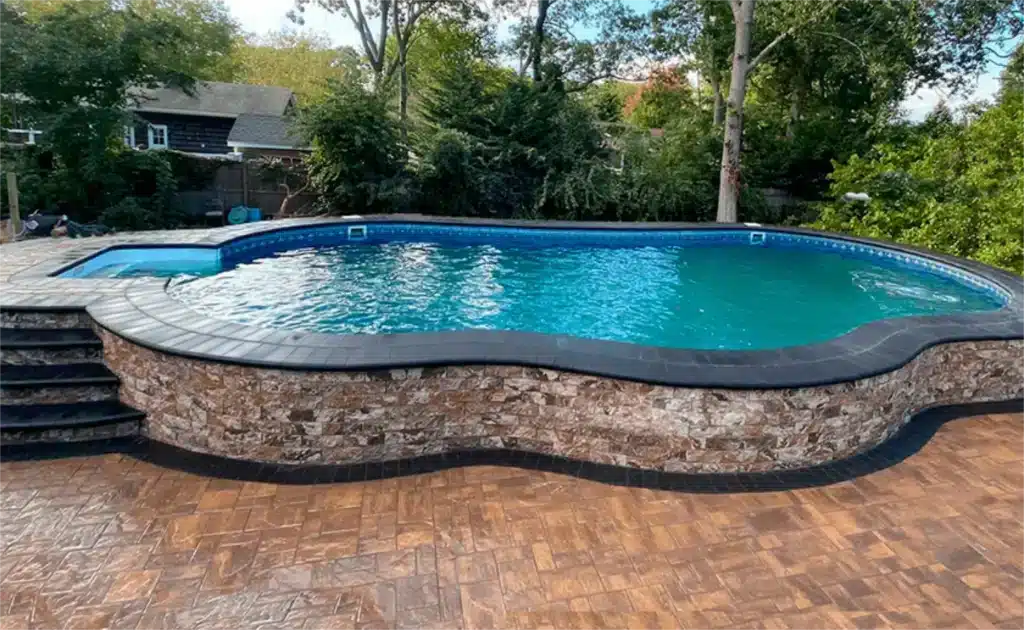
Above ground pools are a cost-effective and flexible solution, particularly for properties with limited access or space. They are easier to assemble since they arrive in pieces that can be carried directly to the installation site. This makes them ideal for backyards that cannot accommodate large equipment or excavation. Above ground pools are generally constructed with aluminum, resin, or steel sidings and vinyl liners.
- These pools are generally less expensive to build than in ground pools.
- They are suitable for seasonal or short-term use, especially in rental properties.
- Construction materials include steel, aluminium, and reinforced polyethylene.
- They are easy to dismantle and move, which adds to their flexibility.
- While they may not offer the same prestige as in ground pools, modern versions can be enhanced with decking, fencing, or even hot tubs.
In Ground Pools
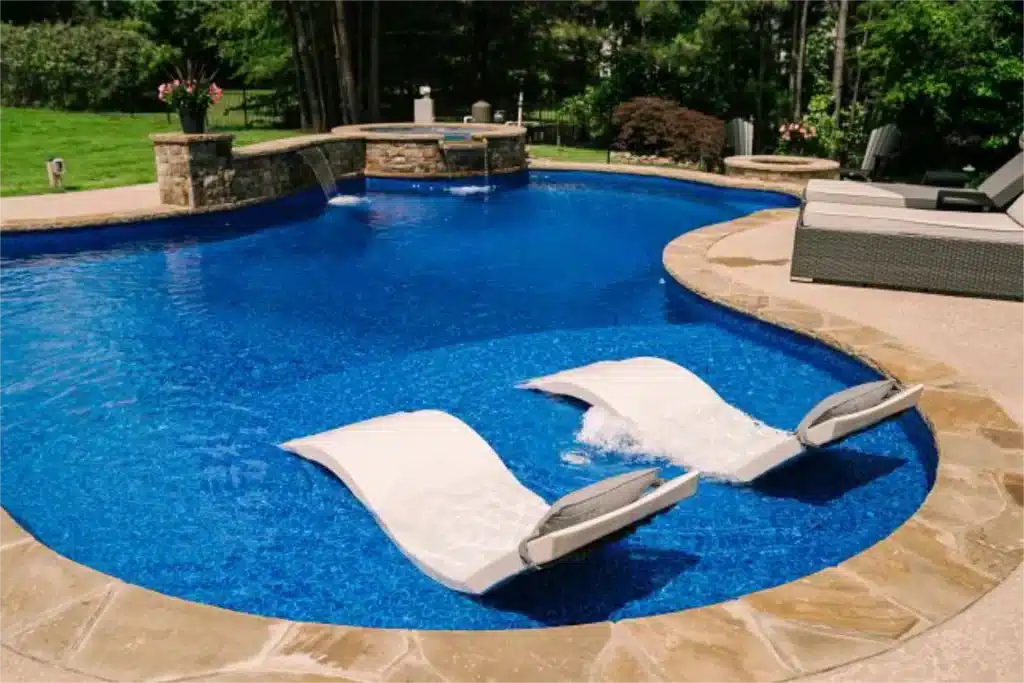
An in ground pool is a permanent structure and often seen as a long-term investment.
- These pools typically require several weeks to install due to excavation and construction needs.
- They often increase property value due to their visual appeal and permanence.
- In ground pools usually require more maintenance than above ground pools, given their larger size and more complex filtration and plumbing.
- The average cost of installing an in ground swimming pool in Australia is approximately $55,000, though this can vary based on materials and design.
- Choosing to build one also means factoring in operational costs, such as draining, refilling, and routine pool cleaning.
Inground Pool Types
In ground swimming pools can be built using a variety of materials. The choice of construction material, such as concrete pools, not only affects the appearance but also the maintenance requirements, water chemistry management, and overall durability.
Concrete Pools
Concrete pools are fully customisable and extremely durable. These are ideal when the design calls for custom shapes, deep ends, or integrated features like negative edge effects, diving boards beach entries, and tanning ledges.
- They take longer to build but offer more flexibility in terms of design.
- Concrete is best for large, architectural pool layouts and aesthetic features.
- However, they often require more maintenance and periodic resurfacing.
- Water chemistry must be closely monitored to avoid surface deterioration.
Fibreglass Pools
Fibreglass pools are pre-moulded and delivered in a single piece. This makes them quicker to install and generally easier to maintain.
- They offer a wide range of colours and interior finishes, including shimmering aggregates and gel coats.
- The surface is smooth, reducing the risk of scrapes and algae growth.
- Fibreglass pools require less frequent chemical balancing than concrete.
Vinyl Liner Pools
Vinyl liner inground pools are built using a frame lined with a flexible vinyl sheet. This pool type is appealing due to its affordability and soft surface. Vinyl-lined pools provide a smooth and durable surface that is resistant to algae and fungus.
- The vinyl liner needs to be replaced every 7 to 10 years.
- Liner pools are prone to punctures from sharp objects.
- They are a good choice in cold climates, as they can be more forgiving to temperature changes.
Specialty Pools
For those seeking unique features or purpose-built designs, specialty pools offer a customised experience. Architectural pools are designed to complement the home using similar materials and aesthetics.
Lap Pools
Lap pools are designed specifically for exercise and swimming laps. For a smaller size yard, they are typically long, narrow, and rectangular.
- They require minimal space and are perfect for small yards or urban properties.
- Their simple shape also makes them more cost efficient to build and maintain.
- Lap pools are ideal for fitness-focused homeowners who want a dedicated swimming area.
Infinity Pools
Also known as vanishing edge pools or infinity edge pools, these designs create a stunning visual effect where water flows over one edge into a hidden trough.
- Infinity pools are custom built and require a drop-off site to achieve the disappearing edge look.
- They are typically more costly to build and maintain due to specialised plumbing and structure.
- These pools are ideal for properties with a scenic view, such as hillsides or ocean fronts.
Natural Pools
Natural pools use aquatic plant life and gravel to filter water without the need for harsh chemicals. Natural pools, alongside hot tubs, combine swimming areas and water gardens, relying on plants for filtration instead of chemicals.
- They often include separate regeneration zones and resemble water gardens.
- Maintenance can be more complex, but they offer a sustainable and eco friendly option.
- These pools are especially suited to homeowners seeking a more natural aesthetic.
Spools
A spool is a small combination of a spa and pool, designed for relaxation and entertaining rather than swimming.
- Spools are great for courtyards, compact backyards, or homeowners who value socialising over swimming laps.
- They often include jets, heating, and seating for multiple people.
- Their smaller size means reduced water and energy consumption.
Indoor Pools
Indoor pools provide privacy and climate control, making them an excellent choice for year round use in regions with cold water or harsh weather.
- They are generally insulated and can be more energy efficient than outdoor pools.
- Maintenance for indoor pools may be less demanding due to lower exposure to debris and sunlight.
- These pools are often used for health therapy, training, or luxury home setups.
- Installation still requires a building permit and may be subject to local regulations.
Saltwater Pools
Saltwater pools use a chlorinator system to convert salt into chlorine, providing a gentler alternative to traditional chlorine pools. Saltwater pools use a chlorinator to convert salt into chlorine for water purification.
- Regular cleaning of the pool surfaces and filtration equipment is essential.
- They require fewer chemical top ups but still need weekly checks of water chemistry.
- A saltwater system offers a more comfortable swimming experience for those with sensitive skin or eyes.
Pool Maintenance and Costs
Initial Costs
The cost to build a pool in Australia ranges widely, from $5,000 for a basic above ground pool to well over $100,000 for a high end, fully tiled in ground setup. The variation depends on:
- Pool material (fibreglass, concrete, vinyl)
- Site access and soil type
- Design complexity
- Local labour and permit costs
Permits
You will need a residential building permit before beginning construction. Requirements vary by council and may include safety fencing, setback rules, and water conservation systems.
Ongoing Maintenance
Swimming pool maintenance typically requires several hours each week for tasks such as:
- Skimming debris
- Balancing water chemistry
- Backwashing filters
- Brushing walls and cleaning tiles
These routine tasks ensure pool water quality and extend the life of your pool.
Operational Costs
In addition to cleaning and chemicals, you will need to plan for electricity use, heating (if applicable), and occasional draining and refilling. These costs can add up over time, especially for larger in ground pools.
Indoor pools may sometimes be less expensive to maintain due to fewer external contaminants and temperature consistency. However, heating and dehumidification costs must be factored in.
Choosing the Right Pool for Your Needs

With so many different types of pools to choose from, your decision should be based on space, usage, and long term value. Consider:
- How much room you have in your yard
- Whether you plan to swim for fitness or relaxation
- What level of maintenance you are prepared to handle
- Your design preferences and lifestyle needs
Working with a trusted pool professional can help you align these factors with your budget and goals.
Final Thoughts
There are many different swimming pool types to consider, and each one serves a unique purpose. Whether you want a fibreglass pool for low maintenance, a vinyl liner pool for affordability, or an infinity pool to highlight breath taking views, your choice of the type of pool will shape how you enjoy your outdoor space for years to come.
At 1 Pool Care, we specialise in helping Perth homeowners explore every type of swimming pool available. From above ground pool versions to concrete pools with custom water features, we can help you bring your backyard to life.
Get in touch with our team today to explore your pool options and get expert advice tailored to your home and lifestyle.

With over 20 years of industry experience, Adrian Mole is the founder of 1 Pool Care, a leading mobile pool service in Perth. Known for his expert knowledge and reliable service, Adrian delivers professional pool cleaning, equipment repairs, and water balancing across the metro area. Backed by SPASA accreditation, he’s committed to quality, convenience, and customer satisfaction.


Social Media