


Just because you’ve invested in a new pool doesn’t mean you’re going to enjoy it with any old pool equipment. If you don’t have the right stuff, swimming pool maintenance can become a real chore – and a drainer of your budget.
There is so much swimming pool equipment out there it can seem complicated and confusing at first. But put simply, a swimming pool is more than a luxury, it’s an investment in your health, relaxation and family happiness.
So when it comes to what pool equipment do I need? You need all of the above!
A swimming pool is for relaxing, exercise, and quality family time. But for that pool water to stay sparkling clean and safe to swim in, you need a combination of essential pool equipment, basic pool equipment, and optional extras to make your life easier. They’ll also make pool maintenance more energy efficient, cost effective, and less manual in the long run.
This pool equipment guide takes you through all of it – from essential filtration and sanitisation systems to pool cleaning tools, pool heating systems, and accessories to help keep your pool healthy and clear all year long.
Essential Pool Equipment for a Healthy Pool
Filtration System
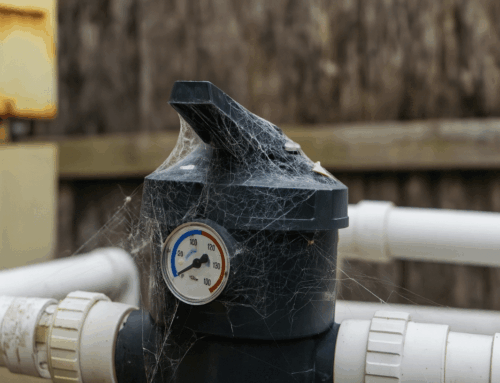
If there is one piece of pool equipment you can’t do without, it’s a filter. The filtration system in your swimming pool equipment is absolutely vital. Without it, the debris, dust, and fine particles that enter the water would stay there. Cloudy pool water, algae growth, and unsafe swimming conditions would quickly become a reality.
You have several types of pool filters to choose from:
- Sand filters – A media filter using specially graded sand to trap debris. They are durable, low maintenance, and work well for average pool sizes. Sand filters are also affordable and low-maintenance, making them ideal for large pools.
- Glass particles – A more modern alternative to sand, improving water quality and reducing backwashing.
- Diatomaceous earth filters – Offer the best filtration by trapping extremely fine particles, though they require more upkeep.
- Cartridge filters – Great for smaller or fibreglass pools, these don’t require backwashing, making them water-saving and easy to maintain. However, they require regular cleaning, usually once a month.
For optimal performance, your pool pump and filter must be correctly matched to your pool size and circulation needs.
Pool Pump
Your pool pump powers the circulation of water through the filter, ensuring proper chemical distribution and removing debris.
Options include:
- Variable speed pump – More energy efficient and reduces running costs compared to single speed pumps. They can also be fine-tuned to the precise speed required for optimal water flow.
- Single speed pumps – Lower upfront cost but higher electricity costs over time.
A well-sized pump will help keep your pool clean, extend equipment life, and maintain ph levels and calcium hardness balance.
Sanitisation Systems
Sanitising systems are there to kill bacteria and prevent algae growth. Chlorine is the most effective and popular sanitiser used for pools. It ensures water stays safe and clean for swimmers. Shocking is the process you need to use when sanitiser levels are too low to effectively sanitise and clean the water, helping restore water quality.
- Salt water chlorinators – Use electrolysis to convert sodium chloride into chlorine.
- Chlorine dosing systems – Maintain the right level of pool chemicals automatically.
- Ionised pool systems – Use copper and silver ions to sanitise while reducing chemical usage.
Choosing a system with automated controls ensures low maintenance and optimal performance for a healthy pool.
Pool Cleaning Equipment
A good pool filtration system is great, but it can’t trap everything. You’ll still need a pool cleaning tool to deal with the larger debris that gets through. Automatic pool cleaners are great, helping you keep everything clean with little effort.
Manual Pool Cleaning Tools
- Pool brush – Scrubs the pool floor and walls to prevent algae. There are two types of brushes: algae brushes with stainless steel bristles and regular nylon bristle brushes for vinyl liners.
- Telescopic pole – Extends to reach every corner.
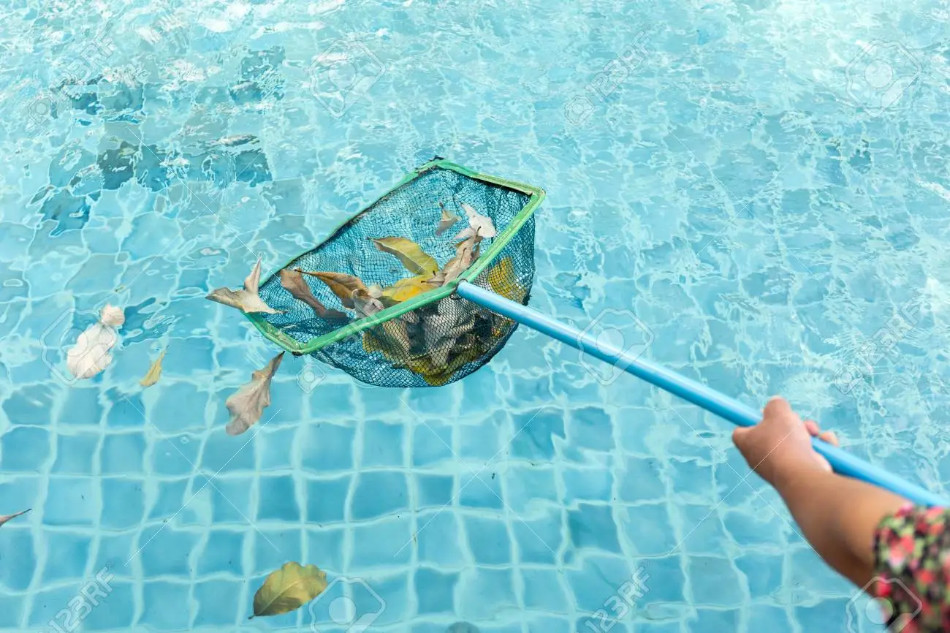
- Skimmer nets – Remove leaves and floating debris from the water surface.
- Pool skimmer and skimmer basket – Built into the pool to collect debris before it reaches the filter.
- Manual pool vacuums – Consist of a vacuum head, hose, and telescopic pole for targeted cleaning. Vacuum hoses connect to the pool skimmer to provide suction for manual cleaning.
Automated Pool Cleaners
Automation is a game changer for many pool owners. A great automatic pool cleaning tool makes pool maintenance even easier. There are three main types of automatic pool cleaners:
- Suction cleaner – Uses the pool’s pump to move around and collect debris. They are cost effective but can reduce pump efficiency. Suction cleaners use the pool filter system for locomotion by sucking debris into a vacuum hose.
- Pressure cleaners – Push debris into a bag using water pressure. Great for areas with heavy leaf fall.
- Robotic cleaners – The most advanced, running independently from your filtration system. They clean the pool floor, walls, and sometimes the waterline, providing thorough results.
Pool Heating System Options
Extend your swimming season with a pool heating system, like a heat pump. This is a great pool equipment option if you don’t just want to swim in summer.
- Heat pump – Extracts heat from the air, highly energy efficient, and maintains a consistent water temperature. Best for regular use in large pools. Heat pumps extract heat from the air and can produce more energy than they consume, making them highly efficient.
- Electric heaters – Heat water quickly but can have higher running costs.
- Gas heaters – Heat the water fast, ideal for occasional use, though natural gas or LPG supply is required. Gas heating is often the most efficient method in situations where pools are only used occasionally.
- Solar heating – Uses the sun’s energy to warm your pool, an eco-friendly and cost effective solution for sunny climates. Solar heating can extend the swimming season by approximately 4 to 5 months in optimal conditions.
Pairing any heating system with a pool cover will help retain heat and reduce evaporation.
Pool Covers and Accessories
A pool cover is more than just a sheet to place over the water. A pool cover is one of the most cost effective ways to help you maintain the perfect pool. They’ll reduce evaporation, keep debris out, minimise the amount of pool chemicals you need, and help balance ph levels. They can also help warm up the water temperature by 2 to 8 degrees, and reduce heat loss at night.
You can choose from:
- Solar covers to retain heat
- Safety covers with added safety features. Safety covers can prevent accidental falls into the pool, providing an extra layer of protection for families with children or pets.
- Automatic retractable covers for convenience
Lighting and Aesthetics
Pool lights enhance both safety and ambience. Modern LED lighting is energy efficient and can be installed flush to the walls for a sleek look.
Circulation Systems and Advanced Options
Pop-up in-floor circulation systems are a brilliant way to reduce the amount of manual cleaning you need to do. These use a series of pop-up nozzles that push debris towards the main drain. Pop-up circulation systems push debris into a collection zone where it’s easy to remove. In-floor cleaning systems use pop-up spray nozzles to collect the debris in your pool. This greatly reduces the need for most pool cleaning tools, and makes keeping your pool healthy easier and less manual.
Safety Features and Compliance
Non-slip finishes, fencing, and compliant electrical systems are all important safety features to consider for your pool equipment. Pool fences are legally required and must be up to Australian Standards (AS1926). For safety reasons, it’s a must to work with licensed pool equipment installers. This ensures everything is safe and meets Australian standards.
Pool alarms will also alert you if someone is in the pool area without you knowing. That way you can always keep an eye on the pool area.
Keeping Your Pool in Top Condition
A swimming pool is more than just buying the equipment. It’s about looking after it to maximise its life. Pool cleaning, regular testing of ph levels and calcium hardness, and all pool water chemistry should be part of your weekly routine. This will help you keep your pool healthy and sparkling all year long.
Test your pool water at least once a week. Doing this will reduce the growth of bacteria and algae, and help to keep your water safe for swimming.
Final Thoughts
It’s clear by now that when it comes to the question what pool equipment do I need? It’s almost all of it.
Start with the basics of a reliable filtration system, the correct size pool pump, an effective sanitisation system, and a pool cleaning tool.
Then layer in the extras, like pool heating, covers, and automation to suit your lifestyle and make the most of your investment.
There’s a reason that different pool sizes, shapes, and types use all of the above. Whether you have a fibreglass pool or a large concrete design, the right swimming pool equipment will make the difference in your swimming pool investment.
At 1 Pool Care, we can supply, install and maintain your pool equipment for the best performance, and low maintenance possible. We can recommend the best setup for your new pool or help you to upgrade your current pool equipment to make it more energy efficient, cost effective, and easier to maintain.
Ready for the perfect pool setup for your home? Contact 1 Pool Care for expert advice, supply and installation of the best pool equipment in Perth.
Ready to get the perfect pool setup? Contact 1 Pool Care for expert advice, supply, and installation of the best pool equipment in Perth.
With over 20 years of industry experience, Adrian Mole is the founder of 1 Pool Care, a leading mobile pool service in Perth. Known for his expert knowledge and reliable service, Adrian delivers professional pool cleaning, equipment repairs, and water balancing across the metro area. Backed by SPASA accreditation, he’s committed to quality, convenience, and customer satisfaction.





Social Media