

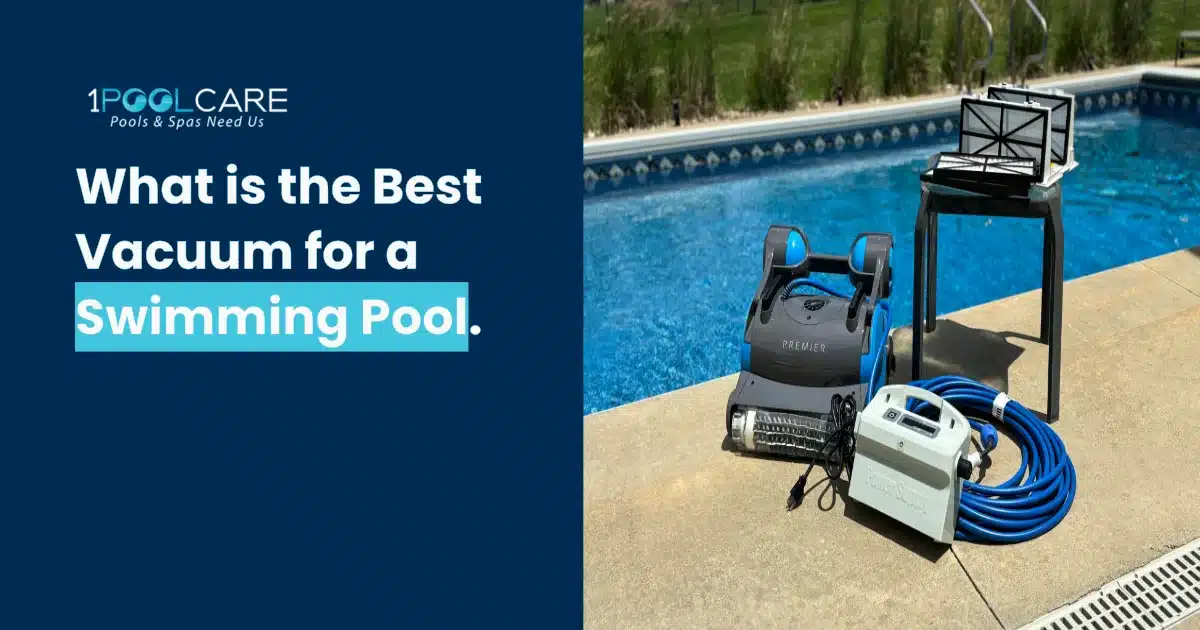
Match the cleaner type to your pool surface, debris load and plumbing. A robotic pool cleaner suits most Perth pools with the least hands-on time and the best wall and waterline coverage. A suction side pool cleaner is affordable and simple if suction is airtight and the pool’s skimmer circuit and pipes are in good condition. A pressure side pool cleaner excels with heavy leaves and larger debris when paired with a booster or strong return flow. For any choice, prioritise fine-debris filtration, the ability to climb walls and scrub the waterline, and an easy-to-empty basket so the pool vacuum keeps your swimming pool sparkling clean day to day.
What types of pool vacuums are there
There are four main categories of pool cleaners, and each one fits different pool conditions.
- Robotic: Self powered from a powerpoint, independent of the pool’s filtration system, and great on fines and walls. Modern robotic cleaners combine active brushes, smart navigation and micron-rated cartridges for efficient cleaning.
- Suction side: Runs from the pool’s skimmer and uses the pump for power. This is the simplest form of automatic pool cleaning when the suction line is airtight and the filter is clear.
- Pressure side: Uses return pressure or a separate booster to drive venturi jets. This is strong for large debris in leaf-heavy yards and can keep the pool floor reasonably clear between visits.
- Manual: The classic vacuum head on a pole and hose. This manual pool cleaner is the lowest cost and highest effort. It is ideal for tight corners, steps and quick spot jobs.
If you want to see how each system connects and moves water through the pool’s filtration system, read How Do Pool Cleaners Work?
Are robotic pool vacuums worth it compared to manual?
Yes. Robots cut manual labour to nearly zero for routine tasks and often produce clearer water. Most units complete a cleaning cycle in about two to three hours and trap dust before it reaches the filter, which supports longer intervals between backwashes and subsequent cleanings that are faster. The upfront cost is higher than a manual option, but weekly effort is lower and coverage of the entire pool is usually better. If you are deciding between different styles and budgets, start with What Pool Cleaner Should I Buy?
Do cordless or battery cleaners work as well as corded?
Cordless units are excellent for small to medium pools and quick spot work, while corded robots still win on power and wall performance in a large pool. A cordless pool cleaner keeps hoses and cables out of the way and is fairly lightweight, but battery capacity limits each cleaning cycle. For a big in ground pool that needs waterline scrubbing and full cleaning coverage, a corded best robotic pool cleaner with smart pathing still makes sense. Always check run time, charge time and how easy it is to access and rinse the canister. If you prefer handhelds for above ground pools or steps, compact models akin to a Pool Blaster style can remove dirt quickly in tight spots.
Pool vacuum features that matter most
Choose functions that match your debris and your pool surfaces.
- Wall climbing and waterline scrub: Removes biofilm where algae starts. If it will not climb walls, it will not control the ring at the top.
- Dual stage or ultra-fine filtration: Perth dust and pollen are small. A cartridge that captures small debris and silt keeps water clearer and reduces filter load.
- Navigation and coverage: Tangle-resistant cable or accurate mapping produces full cleaning coverage of floor, walls and benches.
- Easy basket access: Tool-free lids mean you will actually empty the canister every time, which keeps suction strong and the whole pool cleaner.
- Quiet operation: A calm motor tone helps if you run cycles while you are home.
- App options: Wi fi scheduling and path selection are nice to have. They are not essential, but convenient.
Leaf vacuums vs fine sediment specialists
Buy for the debris you see most across the season.
- Leaf units: Wide intake, strong flow and a big basket for gum leaves and fronds. Look for teeth that grab and move loose debris without clogging.
- Fine dust units: Ultra-fine screens or pleated cartridges for silt, ash and pollen. These give the most efficient cleaning and help deliver that pool sparkling clean look on still days.
Surface compatibility: vinyl, fibreglass, plaster
Match tread hardness and brush type to protect the surface and improve results.
- Vinyl: Use soft treads and gentle composite brushes to protect seams. Avoid stiff wire on a vinyl liner.
- Fibreglass: Most robots suit gelcoat and can scrub the waterline well. Ensure the brushes are compatible with smooth pool surfaces.
- Plaster: A robust brush and consistent wall climb helps loosen film on coarse pool walls.
Is a vacuum safe for vinyl liners and stairs
Yes if you match weight, tread hardness and brush type to the liner specifications. Avoid wire brushes and heavy heads that could mark seams. Use a compact manual brush head for cleaning stairs, corners and benches that robots sometimes miss.
How often should you vacuum and does type change that
Run weekly during swimming season and after wind or parties. Robots usually perform best at one to two cycles per week and can maintain clarity without daily attention. Suction or pressure units should sync with pump schedules. Empty baskets often so the unit does not starve for flow. For complementary routines that prevent problems, see How Often Should a Pool Be Serviced?
Do you need a vacuum if you already have a robot
A quality robot handles about 90 percent of routine debris, but a manual head is still useful. Keep a pole and a simple vacuum for steps, tight corners and urgent clean ups when something unusual hits the pool floor.
Can a vacuum reduce chemical use or filter strain
Yes. Robots trap dirt before it reaches the main filter, which lowers backwash frequency and stabilises chlorine demand. Cleaner floors mean less organic load, so you use less chlorine to oxidise other debris. Suction cleaners route everything to the filter, so plan timely backwashing to restore flow. For sand or DE systems, review Backwashing a Pool for best practice.
What maintenance does the vacuum itself need
Rinse baskets or cartridges after every run and deep clean weekly. Check tracks, swivels, brushes and seals for wear so efficient cleaning continues. Store the robot out of direct sun, unwind the cable after long cycles, and replace filters when the fabric loses capture efficiency. This light pool maintenance keeps performance high for seasons.
How much electricity a robotic vacuum uses
Most robots draw roughly 60 to 200 watts, and a typical cycle is about three hours. That is similar to running a few lights and is much lower than leaving a high-speed pump on for the same duration. Clean filters help the motor move water easily. Use off-peak timers where possible for small running-cost savings across the swimming season.
Common vacuum problems and quick fixes
Solve these issues by checking filtration, traction and water balance first.
- Stops mid pool: Empty and rinse cartridges, clear the impeller, and straighten the cable. Heavy fine silt can choke a clogged screen.
- Will not climb walls: Scrub the walls to remove biofilm, rinse tracks and confirm water balance and TDS are within range. Very smooth tiles can reduce grip; swap to the recommended track compound if available.
- Weak suction on suction cleaners: Fix suction leaks at unions and lids, empty baskets, and confirm filter pressure is normal. A blocked filter chokes a suction side unit quickly.
If suction remains weak or the pump cannot hold prime, confirm the pump size and plumbing. For a refresher on equipment selection, see Types of Pool Pumps
Low maintenance options for leafy backyards
Pick a cleaner with a wide mouth and oversize leaf canister, then control leaves at the source. A fitted cover cuts daily debris and evaporation, and a robot tuned for leaves saves manual labour. Empty skimmers daily during heavy drop so your cleaner and pump maintain strong flow. For cover choices, see Discover the Best Pool Cover Australia Has to Offer
Should you vacuum during pollen season or after storms
Yes. Run an ultra-fine cartridge for pollen and silt and re test chemistry after big weather. If the pool is heavily loaded with dirt, vacuum to waste to bypass the filter and avoid clogging. Backwash or clean cartridges after storms to restore flow and keep cycles effective. For accurate checks, the Best Swimming Pool Test Kit helps you dial pH and chlorine quickly.
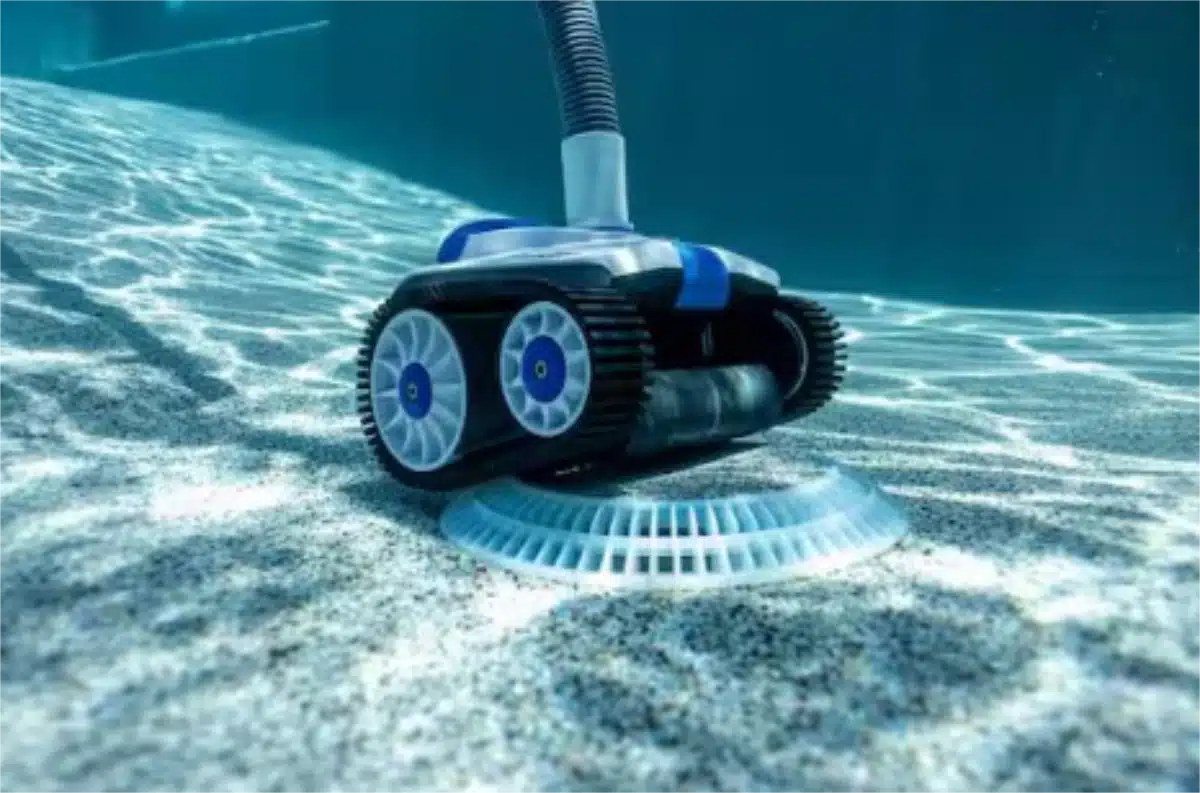
Robotic vs suction vs pressure: which is the best pool cleaner for you
Choose based on debris, coverage needs and how your equipment is set up.
- Robotic pool cleaner: Best for most in ground and above ground scenarios where electricity to the pool area is available. It delivers full cleaning coverage of the entire pool including the waterline, works when the pump is off, and avoids load on the filter. A strong choice for owners who want the best pool cleaner for low effort and clear water.
- Suction cleaners: The best suction side option for simple installs and steady day-to-day floor sweeping. Low upfront cost and easy to install. Performance depends on airtight suction and a clean filter. Expect more attention during leaf season and plan for timely backwashing.
- Pressure side pool cleaner: Excellent where trees drop large debris and the pool needs a leaf canister. A booster model provides reliable torque and keeps heavy material out of the pump basket. For very light silt, pair with manual vacuuming or a robot on alternate days.
These three categories are all automatic pool cleaners. Each one can keep a swimming pool tidy across the year if matched correctly to the pool, the debris and the power source. If you prefer product comparisons by brand and want to dive into other pool cleaners, our buying guides break down product details, run times and filter types so you can compare like for like.
How to size and position a robot for full coverage
Match cleaner capacity and track design to pool length, and make placement simple. Start the robot near the centre of the long wall so it can measure the space efficiently. In a large pool, choose a model with a longer cable, stronger pump and a program that targets the waterline. For complex benches and beach entries, clean with the robot first, then use a manual head for edges and tight geometry.
When a manual pool cleaner still makes sense
Manual vacuuming is still the fastest way to remove a random spill or sand drift. If you host a party and see a patch of grit, a manual head on a short hose can remove dirt in minutes. It is also the safest approach for fragile mosaics, tight corners and small fountains where robots or pressure side units cannot climb.
Comparing running costs across cleaner types
Robots use little power and reduce filter work. Suction and pressure units rely on pump energy. A robot might use 0.18 to 0.6 kWh per full cycle, which is inexpensive in off-peak windows. A suction cleaner depends on your pump and filter, so energy varies with speed and head loss. A booster pump for a pressure unit adds its own draw, though it is still practical in heavy leaf environments because it keeps the system moving between visits.
Above ground pools and special cases
Short hoses and compact robots suit most above ground pools. For framed sets with metal wall panels, confirm weight and track type so the cleaner does not scuff. In small round pools, a compact cordless pool cleaner that runs for about an hour can be perfect, especially for quick laps after the weekend.
What to look for if you want quiet operation
A quiet motor and soft track compound make a difference in courtyards and small yards. Many owners prefer cleaners they can run while relaxing outside. Seek models with noise dampening and smooth gear trains so operation is gentle.
Safety notes for any automatic pool cleaner
Always remove the cleaner before people swim. Keep cables flat on the deck, do not lift robots by the cable, and unplug before maintenance. Store in the shade to protect plastics and seals for up to six months of outdoor heat.
Simple buying checklist you can use today
Use this to select the right cleaner in five minutes.
- Measure pool length, depth profile and steps.
- Identify typical debris across the season: mostly leaves or mostly dust.
- Choose cleaner type: robotic for independence, suction for simplicity, pressure for leaves.
- Confirm surface: vinyl, fibreglass or plaster, and choose the matching brush set.
- Prioritise filtration: two stage or ultra-fine for Perth dust.
- Confirm power: powerpoint for a robot, airtight suction for a suction cleaner, or booster for pressure.
- Check access to the basket or cartridge so emptying stays easy on a regular basis.
- Read a simple runtime figure: about three hours for most robots is ideal for full cleaning coverage.
Conclusion
Choose a cleaner that fits your pool, and your weekly effort drops fast. If you want clear water with minimal fuss, our Perth team can match a swimming pool cleaner to your surface and debris, set schedules that work with your filtration, and show you how to keep cartridges clean so performance stays high. For ongoing clarity, book Residential Pool Cleaning, explore the latest Pool Equipment, or Contact Us for friendly, expert help. Then enjoy more swim time and less time wrestling with hoses.

With over 20 years of industry experience, Adrian Mole is the founder of 1 Pool Care, a leading mobile pool service in Perth. Known for his expert knowledge and reliable service, Adrian delivers professional pool cleaning, equipment repairs, and water balancing across the metro area. Backed by SPASA accreditation, he’s committed to quality, convenience, and customer satisfaction.


Social Media