
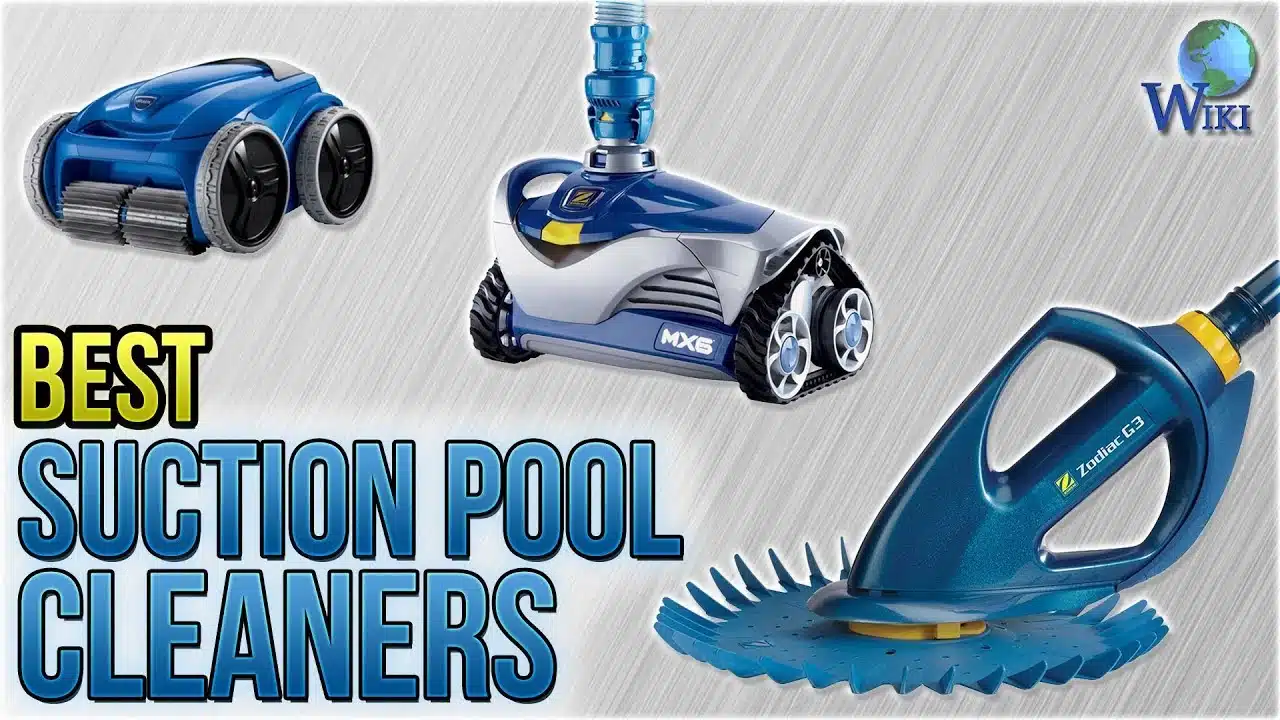
We have fitted and serviced every major suction pool cleaner on the Australian market across Perth pools for over two decades. When pool owners ask us which is the best suction pool cleaner Australia shops carry, the honest answer is that it depends on your pool size, surface type and debris load. Some models handle fine sand and dirt on a flat floor with minimal fuss. Others get stuck in corners or choke on gum leaves within minutes. This guide covers the best suction pool cleaners we actually recommend, based on what we see perform week after week on real Perth pools.
What Is A Suction Pool Cleaner
A suction pool cleaner connects to your skimmer box or a dedicated suction line and uses the existing pool pump to generate vacuum. As the pump pulls water through the filtration system, the cleaner moves across the pool floor and sometimes walls, collecting dirt, sand, small debris and other debris along the way. Everything it picks up passes through the skimmer basket and into the pool filter. Unlike robotic pool cleaners that plug into a power point, suction cleaners rely entirely on your existing pool pump and filter to operate, which keeps the cost low and installation simple.
The cleaner itself typically has a disc or diaphragm inside that creates a pulsing motion, driving the unit forward in a random pattern across the floor. Hose sections connect the cleaner to the skimmer or suction line, and the hose length needs to reach the furthest point of the pool for complete coverage. Compared to other suction pool cleaners like pressure side units or robotics, suction cleaners are the most straightforward to set up and the cheapest to run because they draw no additional electricity.
Types Of Pool Cleaners
There are three types of automatic pool cleaner worth considering. Suction pool cleaners use the pool pump for power and are the most affordable option. Robotic pool cleaners run independently with their own motor and cartridge filter, delivering superior performance on walls and fine particles but at a higher price. Pressure cleaners use return water pressure or a booster pump to drive a unit with its own debris bag, which suits heavy leaf loads. Each type has a place, but for straightforward, low cost cleaning on most Perth pools, suction cleaners remain the practical starting point. For a deeper comparison, read our guide on robotic pool cleaner vs suction.
Benefits Of Using A Suction Pool Cleaner
Suction pool cleaners offer easy installation because they connect to the skimmer box or dedicated suction line with a hose and start working immediately. They generally cost less than robotic or pressure alternatives, with entry level units starting under $200. They have fewer moving parts than robotic pool cleaners, which means less maintenance and fewer things to break. They also use no additional electricity because the existing pool pump does the work.
The simplicity is what makes them efficient for routine pool care. There is no power cord to manage, no onboard computer to troubleshoot and no heavy unit to lift out after every clean. For pool owners who maintain a regular cleaning routine and keep their pool filter in good condition, a quality suction cleaner handles the daily floor sweeping without fuss. We have clients across Perth who have run the same suction unit for four or five years with nothing more than a diaphragm swap and occasional hose replacement.
Top Suction Pool Cleaners For Every Need
We have narrowed the range to five models that cover different budgets and pool setups. Each one has been fitted or serviced by our team across Perth. We have tested these units on concrete, tile, fibreglass and vinyl pool surfaces in everything from compact courtyard pools to large family setups over 60,000 litres. Here is where they sit.
Zodiac G2 Baracuda Pool Cleaner
The Zodiac G2 is the unit we recommend most for pool owners who want a reliable, user friendly suction cleaner at an affordable option price point. It has a single moving part, which means there is almost nothing to break and maintenance is a breeze. Setup takes under ten minutes. Connect the hose to the skimmer box, drop the unit in and it starts a random pattern across the pool floor.
The G2 handles sand, fine dirt and small debris well on concrete, tile and fibreglass surfaces. It does not climb walls or tackle heavy leaf loads, so it suits pools with light to moderate debris. The disc inside the unit creates a rhythmic pulse that drives it forward and changes direction when it contacts a wall or obstacle. That simple mechanism is why the G2 has been a best seller in Australia for years. We fitted a G2 on a fibreglass pool in Leeming and it ran for three years on the original diaphragm before needing a replacement. For the price, nothing else in the range matches its reliability.
Zodiac MX6 Baracuda Pool Cleaner
The MX6 steps up with cyclonic suction technology and wall climbing ability. Its key features include a compact body that navigates tight corners, an X-Drive system for consistent coverage across pool shapes, and strong suction for picking up fine dirt and sand. This machine handles walls and floor cleaning in a single cleaning cycle and suits larger pools where a basic model would leave dead spots. We installed an MX6 on a concrete pool in Riverton with an irregular shape and it covered the deep end walls and floor without getting stuck. The trade off is that the intake is compact, so heavy leaf drop from gum trees can create blockages. Pair it with a leaf canister if your yard drops volume.
Onga Hammerhead Pool Cleaner
The Onga Hammerhead is the standout budget suction cleaner for smaller pools. It has fewer moving parts than most competitors, runs quietly and requires minimal attention. Its wheels keep it tracking smoothly across flat floors and the simple design means maintaining it takes minutes. The Hammerhead handles sand, dust and pebbles on concrete and tile surfaces. It is not built for larger pools or heavy debris, but for a vinyl pool or a compact fibreglass setup under 40,000 litres, it is excellent value for the price. We fitted an Onga Hammerhead on a small above ground pool in Thornlie and the owner ran it twice a week with no issues for two full seasons.
Pentair Rebel Pool Cleaner
The Pentair Rebel is our pick for pools where the suction cleaner needs to cover more ground and handle mixed debris. It features a pre-programmed turning sequence that reduces the tendency to get stuck in corners, adjustable wheels for different surfaces, and strong suction that handles sand, dirt and moderate leaf loads. The regulator valve lets you fine tune water flow to match your pump output, which helps maintain optimal performance across different pool setups. We service a pool in Bull Creek where the owner switched from a basic suction unit to the Pentair Rebel and noticed it covered the deep end consistently rather than circling the shallow area. The Rebel suits medium to large concrete and tile pools where you want more work done per cleaning session without stepping up to a robotic pool cleaner.
Aiper Scuba S1 Cordless Pool Cleaner
The Aiper Scuba S1 takes a different approach. It is a cordless unit that runs on a rechargeable battery and does not connect to your pool pump at all. Drop it in, press the button and it cleans the pool floor for up to 90 minutes per charge. It does not climb walls or clean the waterline, but for pool owners who want a quick, cable free clean without tying up the filtration system, it is a suitable option.
The cordless design means no hose length to manage and no impact on your pump and filter performance. It works on both in ground and above ground pools. The unit is lightweight and easy to lift out after each cleaning cycle. It is not a traditional suction cleaner because it does not plug into the skimmer or use the pool pump, but we include it here because many pool owners consider it alongside suction models when looking for a simple, low effort option. For pools that need more work done on walls and the waterline, a dedicated robotic or suction model will do a better job.
How To Choose The Best Suction Pool Cleaner
Start with your pool size and shape. Smaller pools under 40,000 litres do well with a simple unit like the Onga Hammerhead or Zodiac G2. Larger pools with irregular pool shapes benefit from a model with wall climbing and smarter navigation like the MX6. Consider your debris type. If your pool collects mainly sand and fine dirt from coastal wind or bore water sediment, most suction cleaners handle it well. If you deal with heavy leaf drop from eucalyptus or melaleuca, you need either a leaf canister attachment or a pressure cleaner.
Check that your pool pump provides enough flow for the cleaner to operate properly and that the hose length suits your pool dimensions. A pump that is too weak will leave the cleaner sitting still in the deep end, while one that is too strong can cause the unit to flip or ride up walls uncontrollably. The regulator valve on models like the Pentair Rebel helps fine tune water flow to match your setup.
Budget matters too. Suction cleaners generally cost between $150 and $600, making them the most affordable automatic pool cleaner category. If you want to create a shortlist based on your specific pool, consider surface type, pump strength and the volume of debris your yard produces across seasons. For a broader look at all cleaner types including robotics, see our pool cleaner options guide.
Surface compatibility is worth checking before you buy. A vinyl pool needs a cleaner with soft footpads that will not mark the liner. Concrete and pebblecrete pools handle any tread type. Tile surfaces work best with wheeled models that roll smoothly across grout lines without catching. If you are unsure which surface your pool has, Adrian can identify it on a service visit and recommend the right unit.
Maintenance And Troubleshooting
To keep your suction pool cleaner running at optimal performance, clean the skimmer basket and pump basket after every cleaning session. A full basket starves the cleaner of suction and the unit will slow down or stop moving. Check the diaphragm or disc on units like the G2 every few months and replace when worn. Inspect the hose sections for cracks or air leaks because even a small split kills suction. On salt water pools, rinse the cleaner with fresh water after use to prevent salt and chlorine buildup on moving parts.
If the cleaner keeps getting stuck, adjust the regulator valve to control water flow or shorten the hose to reduce slack. Worn wheels, torn diaphragms and kinked hoses are the three most common faults we see on service calls and all of them are cheap to fix. Store the cleaner out of direct sun when not in use. Perth UV degrades plastic and rubber fast, and a cover or shaded spot extends the life of hoses and moving parts significantly. We replaced a set of hoses on a pool in Willetton that had been left coiled on a sunny deck for two summers. The rubber had split along every section. Five minutes of storage after each run would have saved the owner the replacement cost.
For a full guide on keeping any pool cleaner running well, see our pool cleaner maintenance and care tips.
Frequently Asked Questions
These are the questions we hear most from pool owners comparing suction cleaners across Perth.
How Often Should I Run A Suction Pool Cleaner
We recommend running it two to three times per week during swimming season. In autumn when leaf drop increases, daily runs with a leaf canister prevent the pool filter from overloading. If your pool sits near trees or collects sand from coastal wind, increase the frequency to keep the floor clear and prevent debris from breaking down and feeding algae.
Do Suction Pool Cleaners Work With Saltwater Pools
Yes. Suction cleaners connect to the skimmer box or suction line and do not interact with the salt cell. They work with any filtration system whether you run sand, cartridge or DE. Just rinse the unit after each cleaning session to remove salt residue and maintain the hose connections. Salt and chlorine accelerate rubber degradation on diaphragms and seals, so regular rinsing extends the life of the cleaner significantly.
Can A Suction Cleaner Replace Manual Vacuuming
For routine floor maintenance, yes. A good suction cleaner handles sand, dirt and small debris on the pool floor without manual effort. But you will still need a vacuum head for spot cleaning steps and tight corners where suction cleaners sometimes miss.
What Size Pool Pump Do I Need For A Suction Cleaner
Your existing pool pump needs to produce enough flow to move the cleaner and maintain suction through the hose. Most suction pool cleaners need a minimum of 100 litres per minute at the suction point. If your pump is undersized or the filter is clogged, the cleaner will sit still or move erratically. Check the manufacturer’s minimum flow requirements and make sure your pump delivers enough after accounting for head loss through the plumbing, filter and hose length.
Summary
From the budget friendly Onga Hammerhead to the wall climbing Zodiac MX6, the best suction pool cleaners in this guide cover every pool size, surface and budget. The right unit makes pool maintenance a breeze and keeps your pool floor and walls clear between services. Maintaining a clean pool does not need to be complicated or expensive, and a well matched suction cleaner paired with regular basket and filter care handles the bulk of the job.
If you are not sure which suction cleaner suits your setup, or your current unit is not doing the job, get in touch with our team. We fit, service and recommend pool cleaners based on what actually works in Perth conditions, not what looks good on a spec sheet. Whether you need a simple G2 for a courtyard pool or a Pentair Rebel for a large family setup, we can match the right cleaner to your pool and show you how to get the most out of it.
fine

With over 20 years of industry experience, Adrian Mole is the founder of 1 Pool Care, a leading mobile pool service in Perth. Known for his expert knowledge and reliable service, Adrian delivers professional pool cleaning, equipment repairs, and water balancing across the metro area. Backed by SPASA accreditation, he’s committed to quality, convenience, and customer satisfaction.



Social Media